What it is
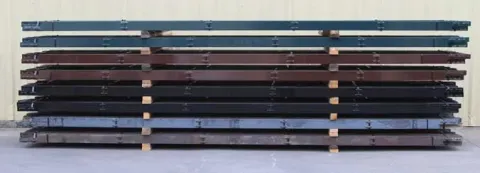
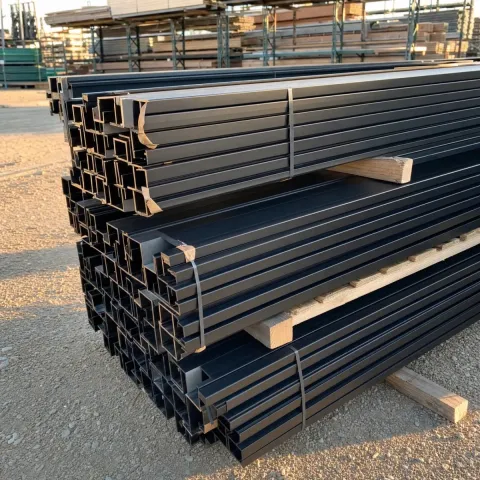
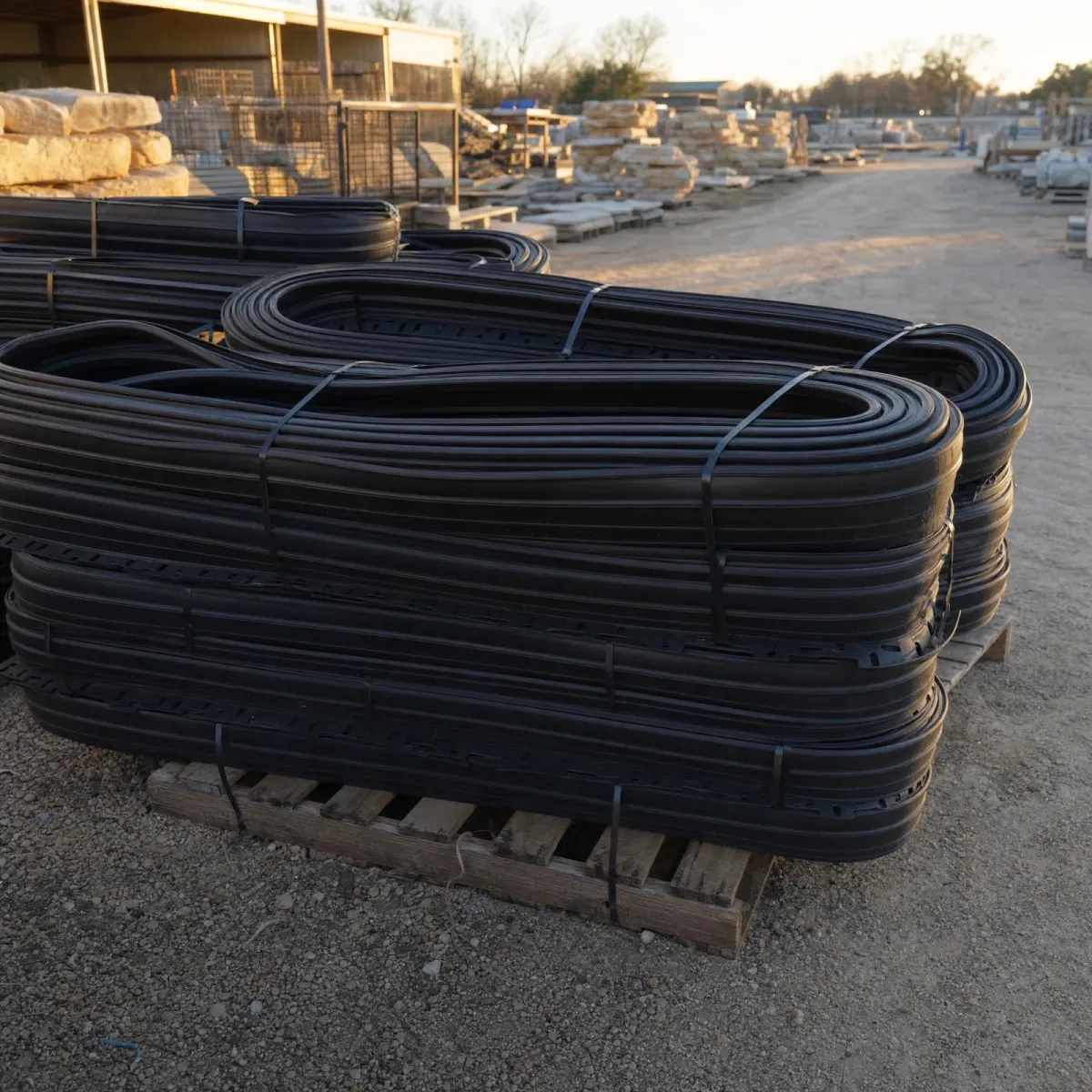
20-foot sticks of flexible recycled-plastic edging, 4 inches tall, 1 inch thick. Sold by the each. The cheapest, easiest-to-install, curve-friendliest edging we carry.
What it's for
DIY-friendly bed edging. Three things BendaBoard does better than steel or aluminum:
- Tight curves. Bends around a 2-foot radius without crimping. If your bed is shaped like a comma, this is your edging.
- Easy install. Pin it down with the included stakes — no cutting, no sharp edges, no grunt work. A bed takes 15 minutes instead of an hour.
- Long sticks. 20 feet per piece means fewer joints in a long run.
For homeowners who've never installed edging before, this is the friendliest starting point. For contractors, it's the residential go-to when the design calls for a free-form bed.
How much do I need
| Bed perimeter | Sticks needed |
|---|---|
| 20 LF | 1 |
| 40 LF | 2 |
| 80 LF | 4 |
| 200 LF | 10 |
The mulch-bed wizard defaults to BendaBoard for curved-bed projects.
Trade-offs vs steel/aluminum
BendaBoard is the least rigid of the three. On long straight runs (over 20 feet) it can develop subtle waves between stakes, especially in 100-degree summer heat where the plastic softens slightly. For long straight perimeters, switch to steel. For curves, BendaBoard wins.
The other thing: in heavy clay that's rock-hard in late August, BendaBoard stakes are easier to drive than the heavier steel/aluminum stakes that need a sledgehammer.
Buying tips
- Stakes are included — 5 per stick.
- Don't install on a 105-degree afternoon. The plastic gets noticeably softer. Morning installs are easier.
- Trim to length with a hand saw or utility knife — no torch, no special blade.
Plan the whole job
How much do I need? Edging is measured in linear feet: walk the bed or path edge, divide by the stick length, and round up. For the fill itself, see how much mulch do I need or how much rock or gravel do I need.
Contractor notes
Sold per stick, no minimum. We rarely volume-price BendaBoard since the markup is already tight — the value here is install speed, not material cost.