What it is
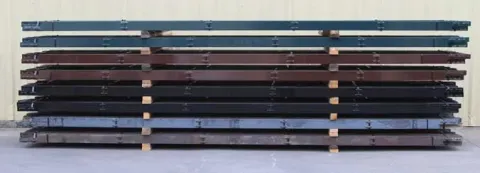
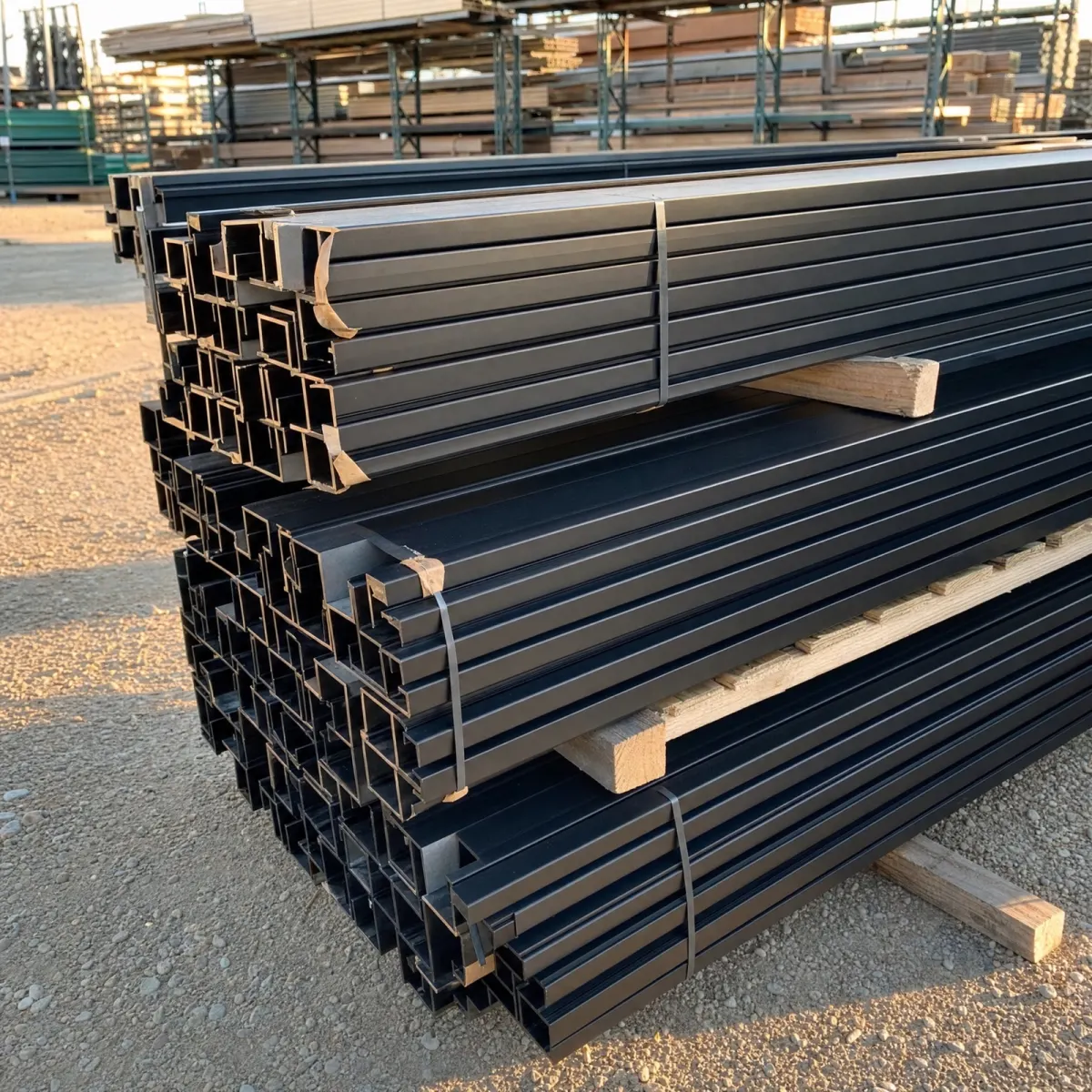
8-foot sticks of 14-gauge aluminum edging, 4 inches tall. Same idea as steel — separates beds from lawns, keeps mulch and gravel where they belong — just lighter, easier to curve, and rust-proof for life.
What it's for
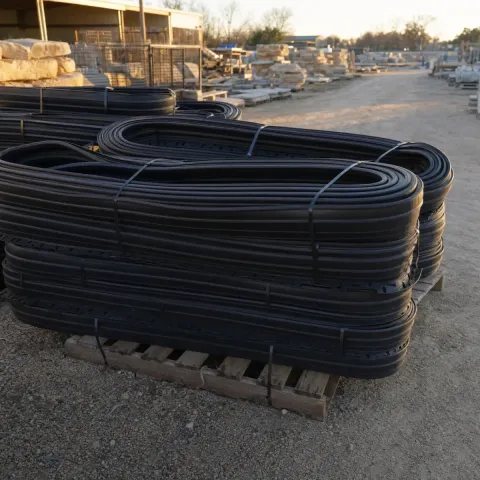
Best fit for beds with organic shapes — kidney-bean planters, free-form front borders, curved walkway edges. Aluminum bends around 4-foot-radius curves without crimping. It's also the right call near pool decks, irrigation valves, or anywhere the cut ends might get touched (less prone to leaving rust stains).
For homeowners: lighter to carry around the yard on install day. A roll of aluminum sticks is two-thirds the weight of the equivalent steel.
How much do I need
Measure bed perimeter, round up to whole sticks. At 8 feet per stick:
| Bed perimeter | Sticks needed |
|---|---|
| 24 LF | 3 |
| 48 LF | 6 |
| 80 LF | 10 |
| 160 LF | 20 |
The mulch-bed wizard will compute this for you alongside mulch and fabric.
Aluminum vs steel
Steel is cheaper per linear foot, heavier, and stiffer — better for long straight runs (driveway edges, commercial bed perimeters). Aluminum is more expensive per foot, lighter, never rusts, and bends easier for curves. For 90% of residential mulch beds either works fine; pick by shape.
Buying tips
- 5 stakes per stick included. Drive them slightly angled toward the bed.
- The top edge is rounded — won't cut a kid's shin like raw cut steel can.
- For really tight curves under a 3-foot radius, switch to BendaBoard — even aluminum will crimp at that radius.
Plan the whole job
How much do I need? Edging is measured in linear feet: walk the bed or path edge, divide by the stick length, and round up. For the fill itself, see how much mulch do I need or how much rock or gravel do I need.
Contractor notes
Volume pricing at 20 sticks. We'll cut sticks down to length at the yard with 24-hour notice — useful for tight property lines where 8-foot stock wastes 18 inches per run.